10 Essential Tips for First-Time Landlords in Nigeria

October 28, 2026
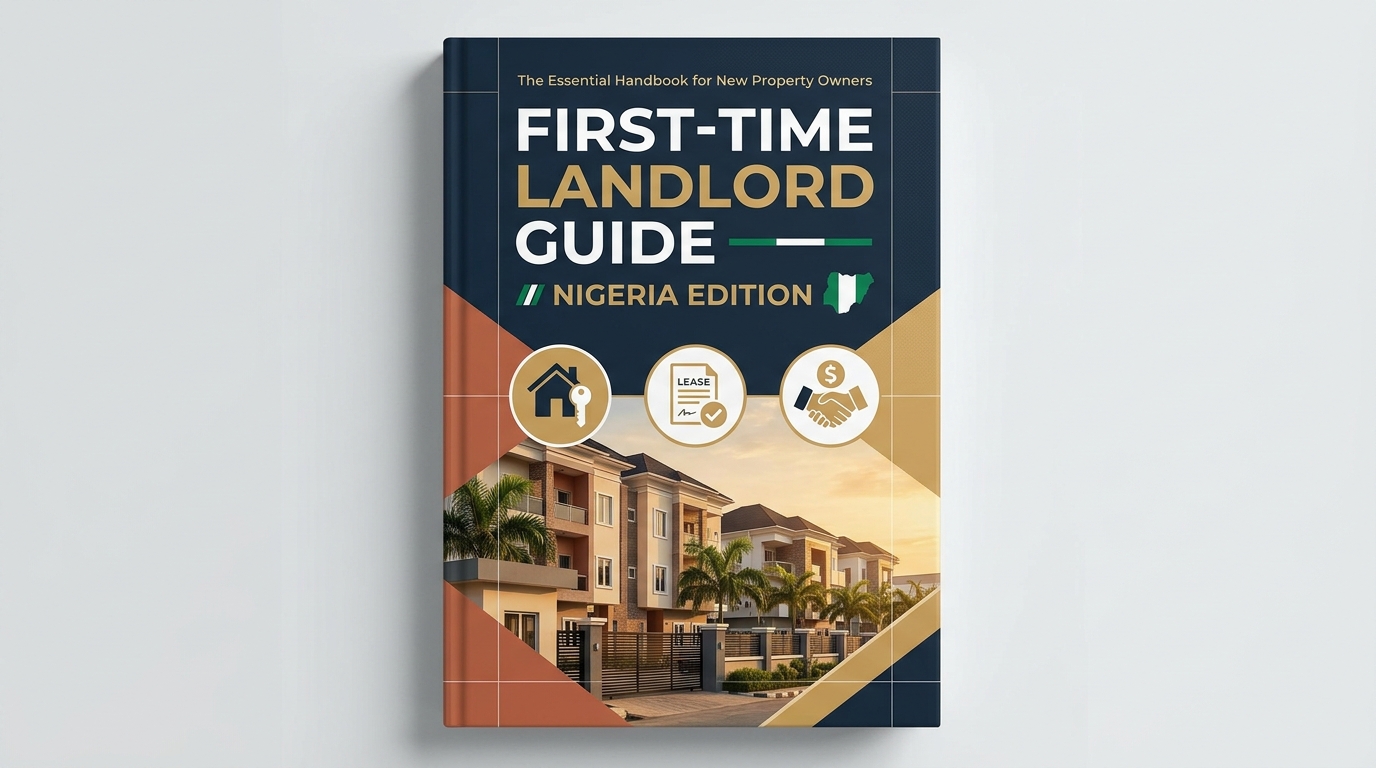
Starting your journey as a landlord? Learn the crucial steps to successfully manage your rental property and maintain good tenant relationships.
Here are ten practical tips to help first-time landlords get started.
### 1. Understand Your Local Rental Market
Research rental prices in your area before setting your rent. Consider the property's location, available facilities, security, accessibility, and the rates of comparable properties.
### 2. Screen Prospective Tenants Carefully
Verify prospective tenants' identities, employment or income information where appropriate, references, and ability to meet rental obligations. Apply screening criteria consistently and fairly.
### 3. Use a Clear Tenancy Agreement
Document the rental amount, payment schedule, tenancy duration, responsibilities for repairs, deposit terms, and conditions for ending the tenancy. Seek legal advice to ensure the agreement complies with applicable state laws.
### 4. Keep Proper Financial Records
Record every rent payment, maintenance expense, deposit, and other property-related transaction. Provide receipts and maintain a clear financial history to help you monitor profitability and resolve disputes.
### 5. Prioritise Preventive Maintenance
Inspect the roof, plumbing, electrical installations, drainage, and structural components regularly. Addressing minor issues early can prevent expensive repairs and protect your property's long-term value.
### 6. Build a Healthy Relationship with Tenants
Maintain professional communication, respond promptly to complaints, and treat tenants respectfully. Good landlord-tenant relationships can encourage lease renewals and reduce vacancy costs.
### 7. Plan for Unexpected Expenses
Set aside part of your rental income for repairs, insurance where appropriate, periods without tenants, and other unforeseen costs. Avoid treating all rent collected as personal profit.
### 8. Understand Your Legal Obligations
Familiarise yourself with the tenancy laws applicable to your property's location. Follow the required procedures for rent increases, notices, and recovery of possession. Never rely on force or self-help eviction methods.
### 9. Protect Your Property
Use appropriate security measures, maintain common areas, and ensure essential building facilities remain safe. Consider suitable property insurance and confirm the scope of coverage before relying on it.
### 10. Consider Professional Property Management
If you have limited time or manage properties from another location, a professional property manager can help with tenant communication, rent collection, inspections, maintenance coordination, and financial reporting.
### Final Thoughts
Your first rental property can become the foundation of a long-term investment portfolio when managed with care and discipline. The key is to balance rental income with tenant satisfaction, legal compliance, and consistent property maintenance.
**Remember: successful landlords do not simply collect rent; they manage assets, build trust, and plan for the long term.**